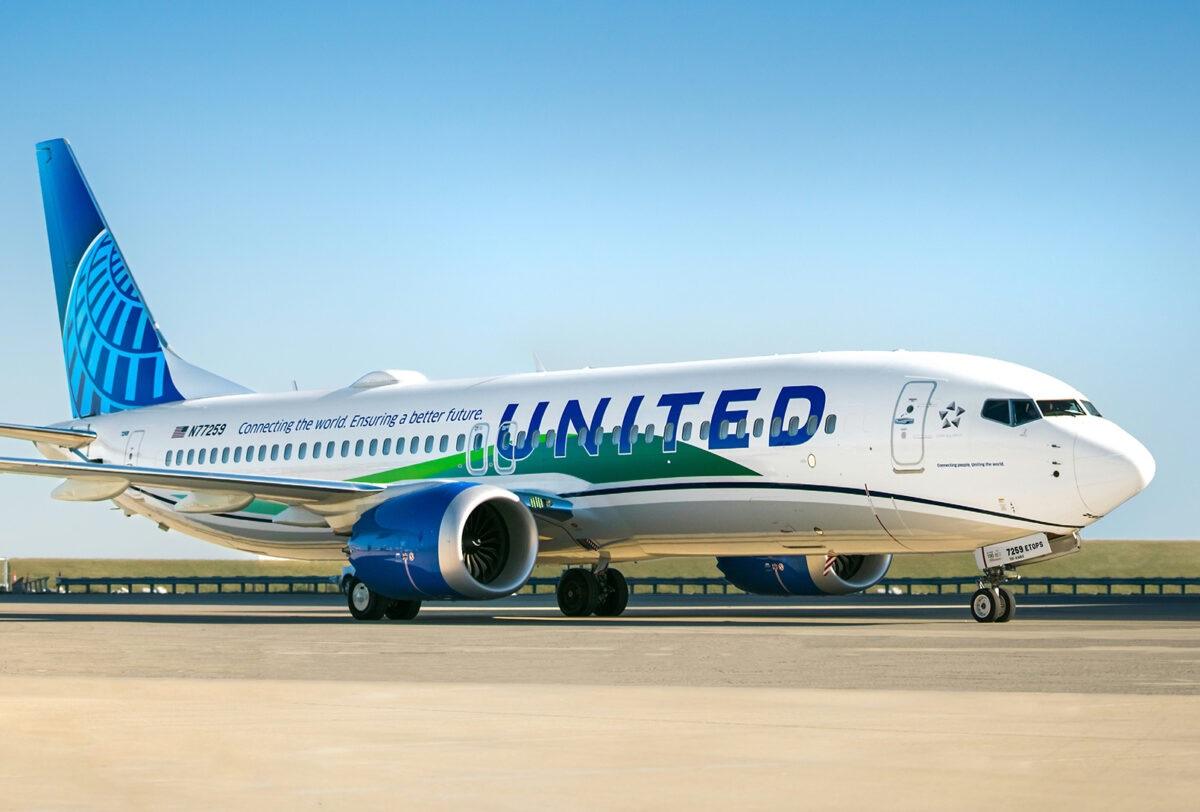
DSV, United Airlines, Microsoft and Phillips 66 Ink Sustainable Aviation Fuel Deal
Global transport and logistics company DSV announced an agreement with United Airlines, Microsoft and Phillips 66, aimed at enabling large-scale access to sustainable aviation fuel (SAF)
According to the companies, the new collaboration is anticipated to unlock up to 41.6 million liters of SAF from Phillips 66, delivering an expected reduction of approximately 100,000 tonnes of lifecycle greenhouse gas emissions compared with conventional jet fuel.
Under the new agreement, United Airlines will physically use the fuel, with DSV and Microsoft participating through a book and claim model, allowing verified emissions reductions to be allocated independently of fuel consumption. This approach allows the associated environmental impact to be attributed transparently and support scalable carbon reduction, the companies said.
Lauren Riley, Chief Sustainability Officer, United Airlines said:
“This is the largest contracted SAF supply agreement with a single customer, DSV, in the history of our corporate SAF program, the Eco-Skies Alliance, demonstrating the possibility of large-scale greenhouse gas reductions when the members of a value chain – from supplier to end customer – work together.”
The companies said that the transaction follows DSV’s standard SAF procurement process, supported by International Sustainability and Carbon Certification (ISCC), and is tracked through the Sustainable Aviation Fuel Certificate (SAFc) Registry. ISCC certification ensures the fuel is produced from sustainable feedstocks and managed through an audited supply chain, ensuring full transparency.
DSV said that its internal book-and-claim registry, combined with the SAFc Registry, enables transparent tracking and allocation of emissions reductions, ensuring each ton of CO2 is verified, assigned to a specific customer, and protected against double-counting.
Frank Sobotka, CEO, Air & Sea Division DSV said:
“This collaboration aligns with DSV’s long-term sustainability strategy and reflects our role as a global partner helping customers access lower emission transport solutions at scale. By connecting customers, carriers and fuel producers, we can help turn sustainability ambitions into operational outcomes.”