Fabrizio Ferraro, Professor of the Strategic Management Department at IESE Business School, considers sustainability-focused engagement in the face of the anti-ESG movement. Imagine attending the PRI in Person conference in 2014 and asking ESG professionals to assess the likelihood of this scenario: within ten years, ESG investing becomes so politically charged that two candidates for the Republican presidential nomination…
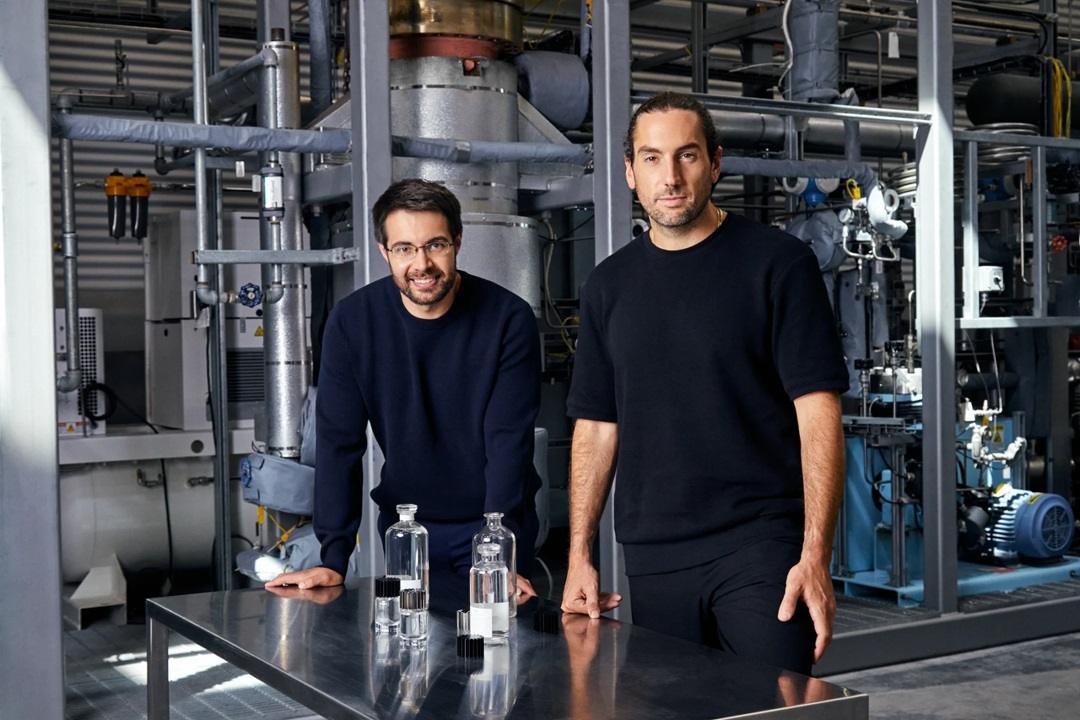
Air Company Raises $69 Million to Turn CO2 into Sustainable Aviation Fuel
Air Company, designer of a platform to produce synthetic fuels and chemicals from captured CO2 and hydrogen, announced that it had secured $69 million in Series B funding to advance its technology to reduce emissions in areas that until now have proven difficult to manage, including aviation. Currently, most sustainable aviation fuel (SAF) is produced from plant-based feedstock, which can…

Phlair Raises €14.5 Million to Advance Low Cost, Scalable Carbon Removal Technology
Phlair (formerly Carbon Atlantis), a company developing a carbon capture system to remove unavoidable CO₂ emissions, announced that it has raised €14.5M in a seed round for the expansion of its footprint and further innovation of its Direct Air Capture (DAC) technology. Direct air capture (DAC) technologies extract CO₂ directly from the atmosphere, and can be used anywhere – unlike…

Google Signs Brazil Reforestation-Based Carbon Removal Purchase Deal
Google announced today a new agreement with carbon removal company Mombak for the purchase of 50,000 carbon credits generated through Mombak’s reforestation projects in the Brazilian Amazon. The agreement marks Google’s first-ever purchase of nature-based carbon credits, and follows a commitment announced in March by the company to contract for at least $35 million of carbon removal credits over the next 12…
ERM Launches Carbon Credit Sourcing Platform
Sustainability advisory firm ERM announced today the launch of the ERM Carbon Credit Portal, a new solution providing the firm’s clients with access to carbon credits through the voluntary carbon market (VCM). According to ERM, the new portal comes as clients increasingly look to carbon credits to complement their greenhouse gas emissions reduction strategies and help mitigate unabated emissions, while…

MSCI Launches New Carbon Credit Project Ratings
Investment data and research provider MSCI announced today the launch of MSCI Carbon Project Ratings, aimed at enabling carbon market participants including buyers, investors, and developers to assess the quality and integrity of carbon projects. The new ratings come as demand for carbon offset projects and related credits is expected to increase significantly over the next several years, as companies…
Standard Chartered, SEB to Offer Clients Carbon Credits from Early-Stage Carbon Removal Projects
UK-based Standard Chartered and Northern European financial services company SEB announceda partnership with carbon crediting platform Puro.Earth, under which the banks will begin to offer clients carbon removal offtake agreements from Puro-certified early-stage carbon dioxide removal (CDR) projects, and aimed at channeling capital to suppliers to help scale the CDR market. According to the landmark Intergovernmental Panel on Climate Change…

Guest Post – Investing in Resilience: The Insurance Industry’s Role in the Net-Zero Transition
By: Linda Freiner, Group Chief Sustainability Officer, Zurich Insurance Group We are already paying a heavy price for climate inaction. Record-breaking flooding, heatwaves, droughts and wildfires are having disastrous humanitarian and financial impacts. Due to global warming, our climate risk models show that these natural hazards and severe weather events are becoming more frequent and severe. Insurance can provide protection…