Understand Scope 2 emissions, their impact, and how to accurately measure indirect energy emissions for your business. Enhance your ESG strategy with this essential guide. Uncover the critical role of Scope 2 GHG emissions in your sustainability journey. This detailed post breaks down the complexities of indirect emissions from purchased energy, providing valuable insights to help you reduce your environmental…
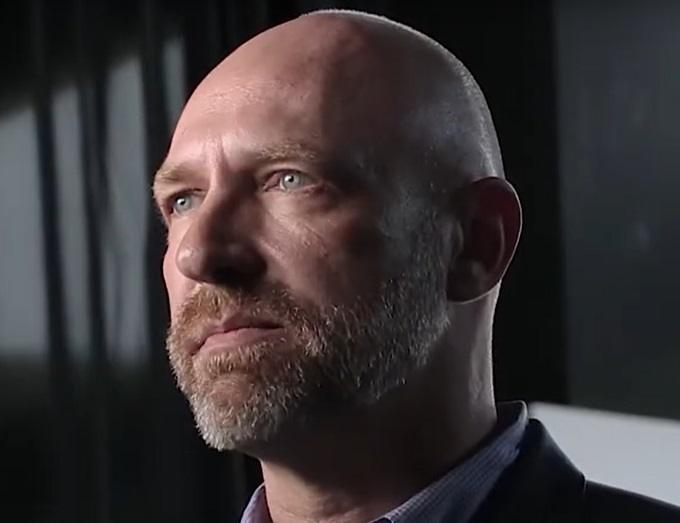
Guest Post: Sustainability is a Driver of Innovation, Not an Expense to Manage
By: Chad Spitler, CEO and Founder, Third Economy The past 12 months have seen an unprecedented number of policies and regulations related to sustainability – from the SEC’s landmark climate risk reporting rule to California’s SB-261 and SB-253, to the EU’s ESRS and CSRD. But this ambitious agenda has been impeded, as legal challenges have tangled up regulatory proposals in…
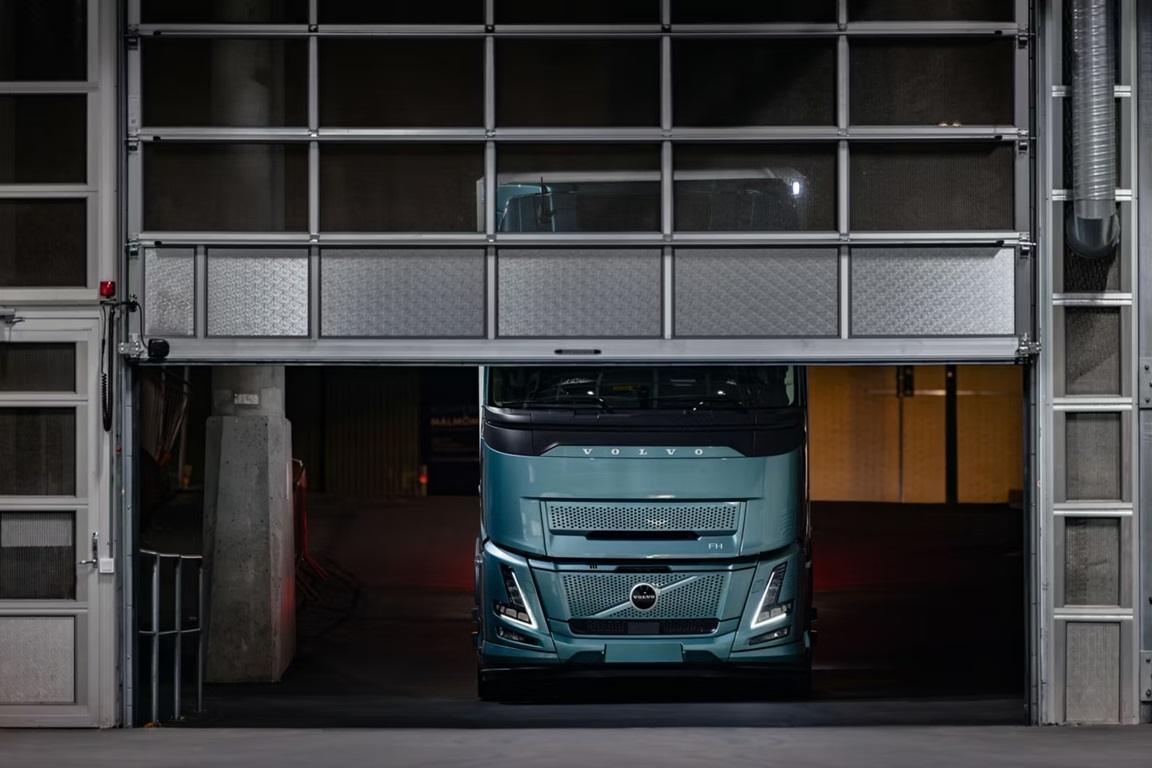
Volvo Unveils 600 km Range Heavy Duty Electric Truck
Volvo Trucks announced today plans to introduce a heavy-duty electric truck next year capable of traveling 600 km on a charge, marking a major expansion in range for its electric truck lineup based on new technology from the company. Volvo unveiled its first heavy duty electric trucks in 2020 and began series production in 2022, with initial models including the Volvo FH…
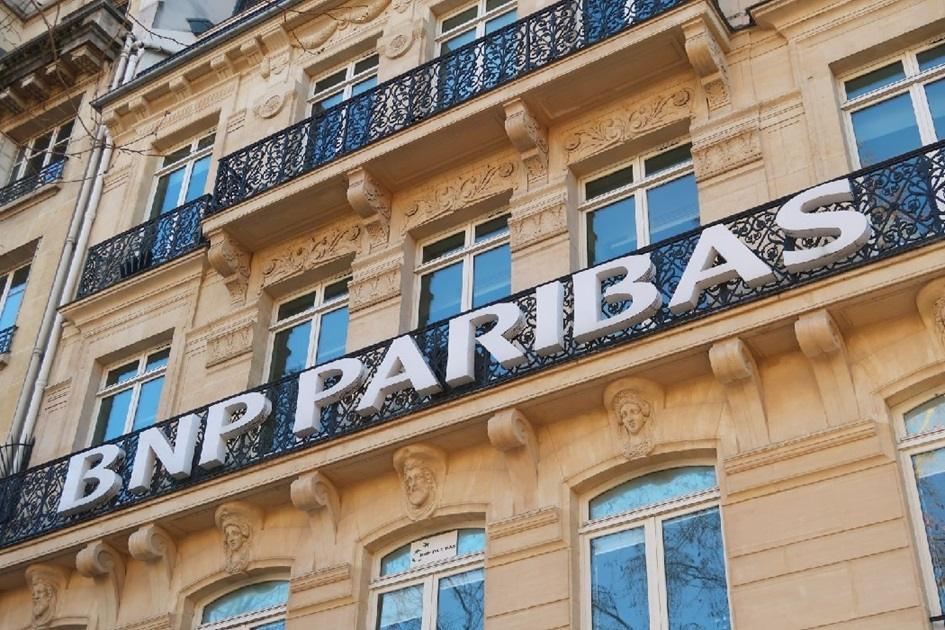
BNP Paribas AM Raises $165 Million for Article 9 Cleantech Solutions Venture Fund
BNP Paribas Asset Management (BNPP AM) announced today that it has raised €150 million (USD$166 million) for its BNP Paribas Solar Impulse Venture Fund (BNPP SIVF), focused on investing in innovative cleantech startups with positive environmental impact and that support the acceleration of ecological transition. Founded in 2021 through an exclusive partnership between Bertrand Picard’s Solar Impulse Foundation, the SFDR…
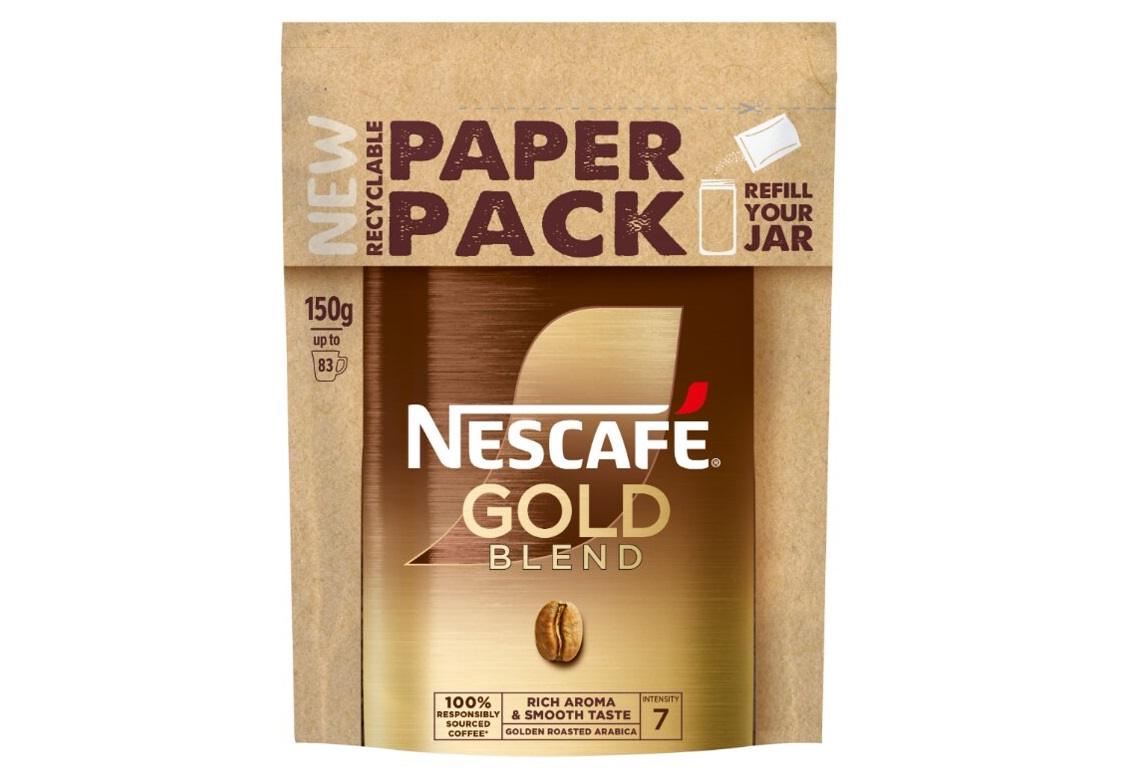
Nestlé Introduces Paper Packaging for Brands Including Nescafé, Vital Proteins
Food and beverage giant Nestlé announced a series of paper packaging innovations across brands including Nescafé and Vital Proteins, aimed at supporting the company’s sustainable packaging goals. Nestlé’s sustainability goals include a series of targets aimed at addressing the environmental footprint of packaging waste, which can include impacts on water and soil quality, and biodiversity. Packaging is also the second…
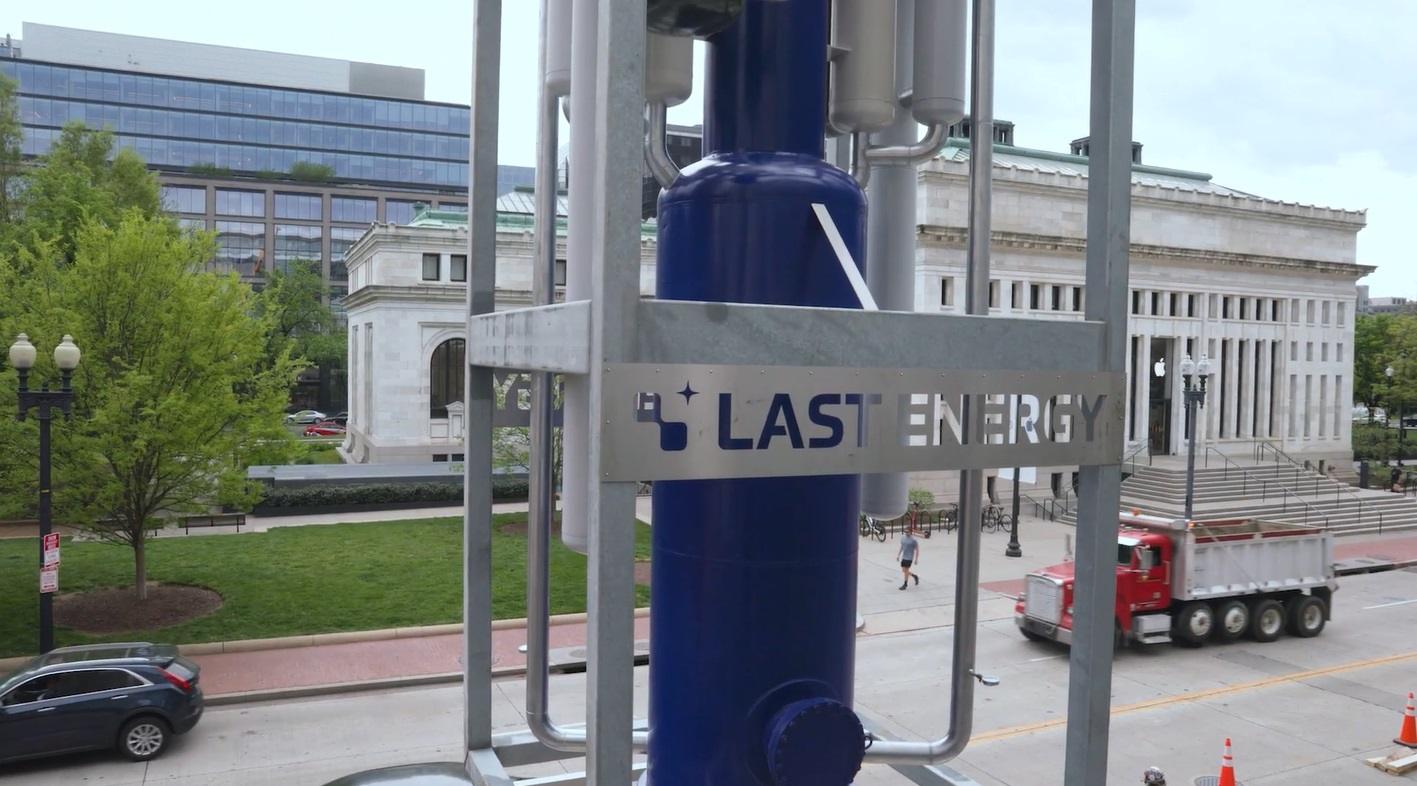
Micro-Nuclear Power Plant Startup Last Energy Raises $40 Million to Decarbonize Heavy Industry and Data Centers
Micro-nuclear power plant developer Last Energy announced that it has raised $40 million in a Series B funding round closed earlier this year, with proceeds to be used to support the deployment of its first microreactor plant. Founded in 2019, Washington, D.C.-based Last Energy develops small, 20 MWe nuclear power plants, aimed at bringing nuclear energy to scale, and enabling…
SEB Launches Global Fund Investing Only in Sustainable Companies
Northern European financial services company SEB announced the launch of the SEB Global Sustainable Companies Fund, a new index-linked global fund investing only in companies that are classified as “sustainable,” while aiming to generate a return and risk profile in line with its underlying benchmark. Classified as Article 9 under the EU’s SFDR regulation, the new fund will target only…