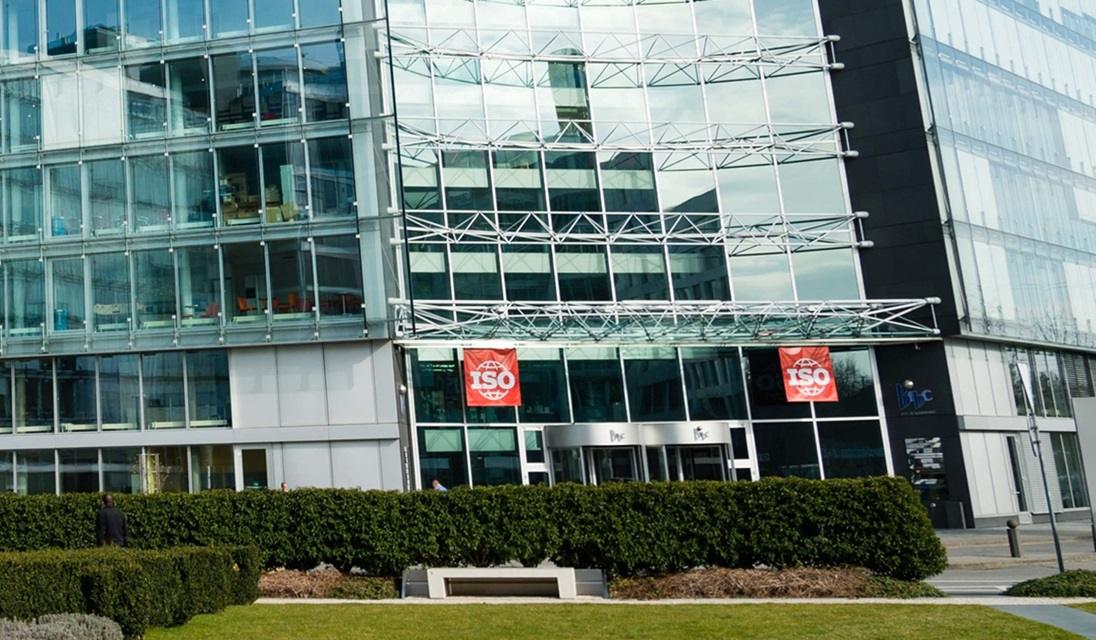
ISO Releases New Version of Flagship Environmental Management Standard
The International Organization for Standardization (ISO) announced the release of ISO 14001:2026, the new edition of its flagship environmental management standard, aimed at enabling organizations to design and implement environmental management systems to improve environmental performance, minimize impact, and comply with laws and regulations.
According to ISO, the new standard is being launched as organizations come under increasing pressure to move beyond statements and targets and to demonstrate actual, measurable progress, with ISO 14001 designed to help turn ambition into action, and aligning more closely with current priorities such as climate change, biodiversity and resource efficiency.
Susan Taylor Martin, Chief Executive of the British Standards Institution (BSI), which holds the secretariat for ISO’s subcommittee on environmental management systems, said:
“As environmental risks become more complex and interconnected, and expectations for transparency and accountability continue to rise, this latest revision represents far more than a routine update. It is a major step forward, strengthening governance, enhancing resilience and aligning with emerging priorities such as climate change, biodiversity and natural capital.”
First launched in 1996, ISO 14001 provides a framework for organizations to design and implement an environmental management system (EMS) to minimize their environmental footprint, comply with legal requirements and achieve environmental goals. The standard supports organizations in managing their impact across areas such as biodiversity, resource use, waste and pollution, to drive more sustainable practices throughout operations and value chains.
Compliance with the standards requires organizations to establish an environmental policy, identify their environmental aspects and impacts, set environmental objectives and targets, implement operational controls, monitor and measure performance, and continually improve their EMS.
Companies can also undergo a certification process for ISO 14001, with the process typically involving a gap analysis, implementation of the EMS according to the standard, internal audits, management reviews, and a certification audit by an external body.
According to ISO, 14001 is the world’s most widely used environmental management standard, with more than 670,000 certified organizations worldwide.
In addition to stronger alignment with key environmental priorities, ISO said that the updated standard also introduces clearer guidance and more intuitive navigation, as well as a greater emphasis on leadership, governance and a more integrated approach to managing impacts across operations and value chains.
ISO Secretary-General Sergio Mujica said:
“The new edition of ISO 14001 is smoother to implement and integrates seamlessly with other ISO management system standards, making it easier for organizations of all sizes to embed environmental management into their strategy, achieve tangible results and demonstrate real impact.”
Click here to access the updated standard.